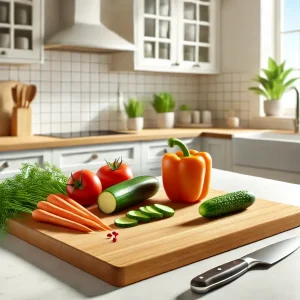
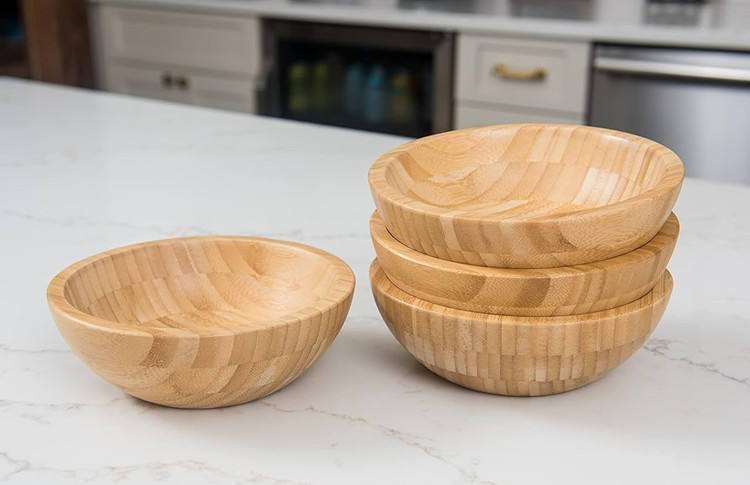
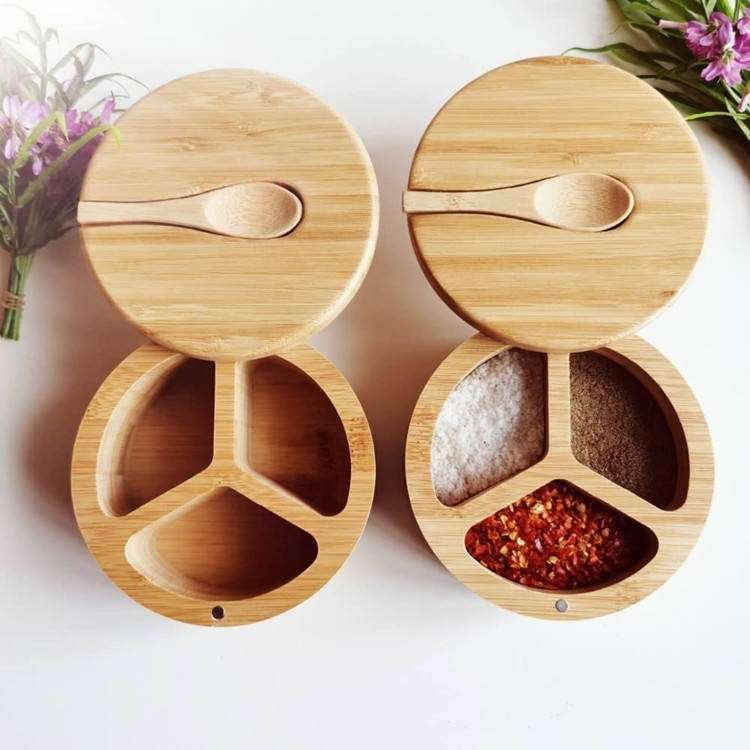
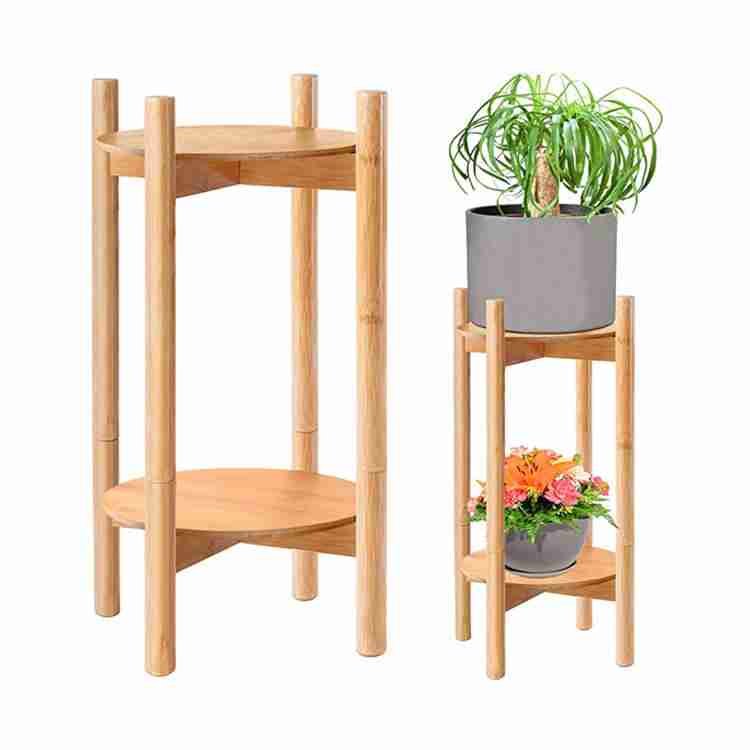

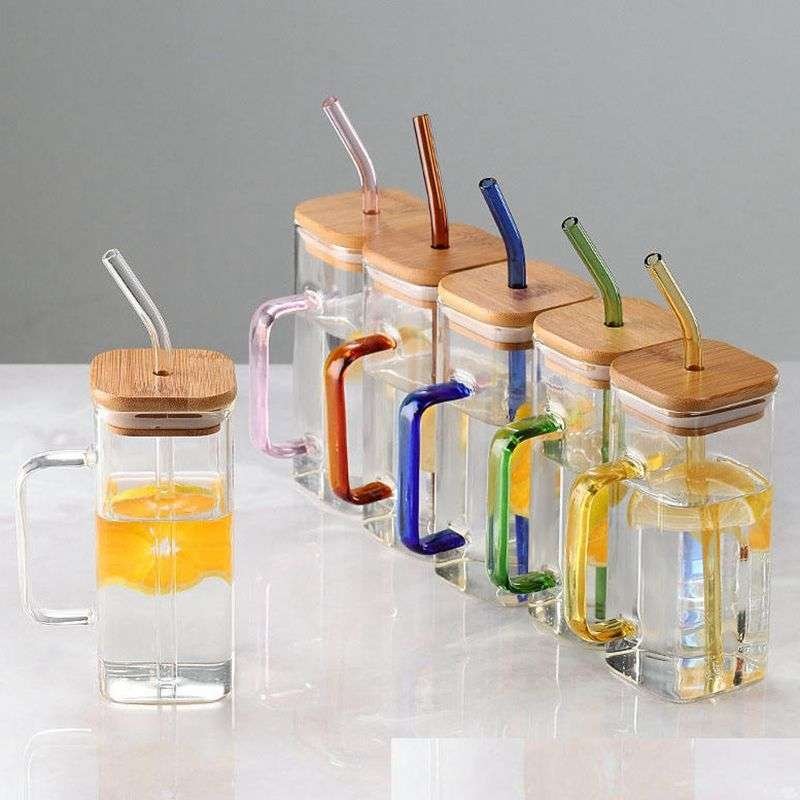
Bamboo products such as bamboo bowls, cutting boards, and cheese boards can hold water to some extent, depending on their processing methods and maintenance. Here’s an overview of the processing, water-holding performance, and care methods for bamboo products.
- Processing
- Harvesting and Drying: Bamboo harvested fresh contains a high moisture content, which must be reduced through natural or kiln drying to prevent cracking or deformation.
- Boiling Treatment: Boiling removes sugars and starches from the bamboo, reducing the risk of mold and improving durability.
- Lamination and Bonding: Products like cutting boards are laminated with bamboo strips and bonded with food-grade adhesives to enhance water resistance and strength.
- Surface Treatment: Natural oils, food-grade varnish, or wax are applied to improve water resistance and reduce moisture penetration.

- Water-holding Performance
- Bamboo Bowls: Suitable for holding liquids for a short period, but they should not be used to hold water for extended periods. Surface sealing treatments can improve water resistance.
- Cutting Boards and Cheese Boards: These can handle moisture from food, but they should not be submerged in water to avoid damage to the adhesive and surface.

- Care Methods
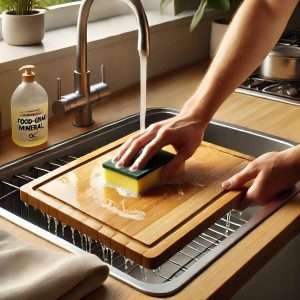
- Avoid Soaking: Do not submerge bamboo products in water for long periods to prevent deformation or mold growth.
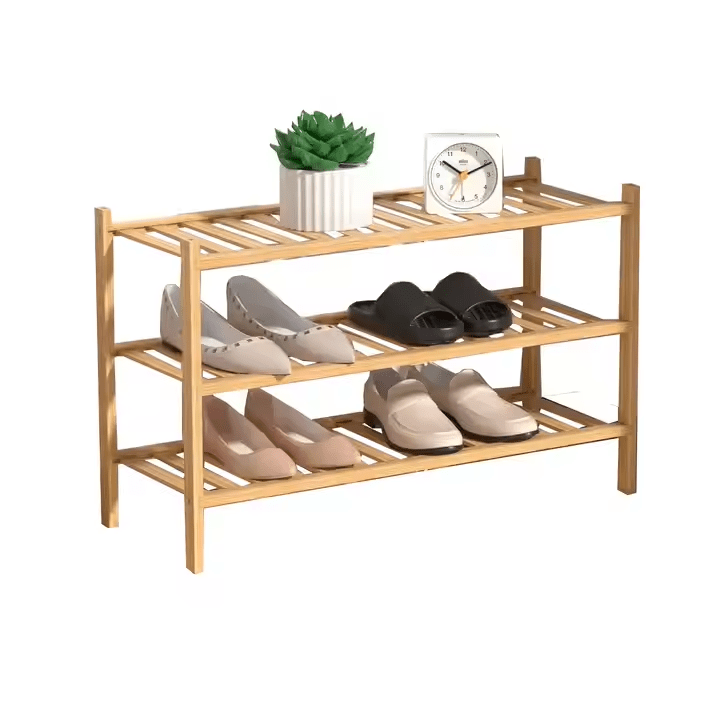
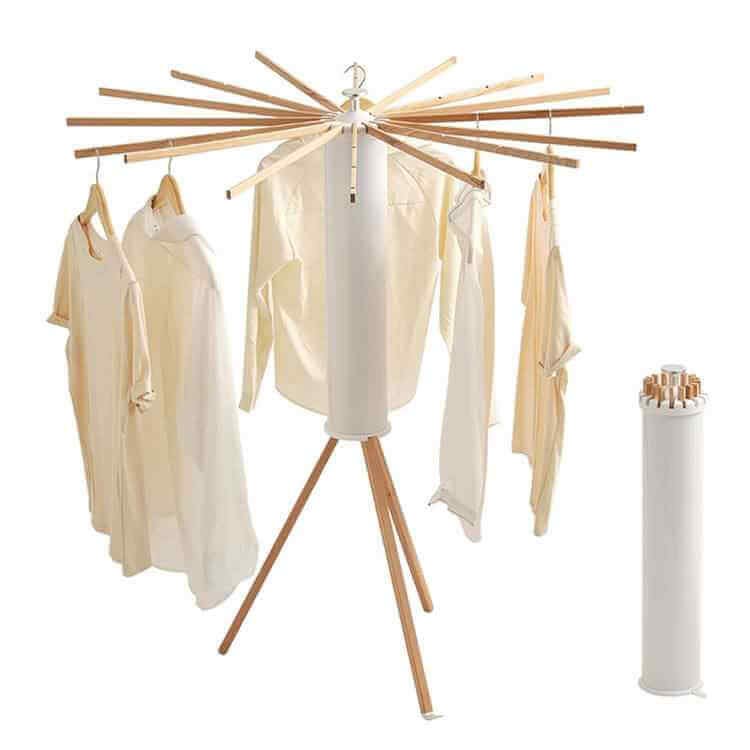
- Dry Promptly: After cleaning, wipe bamboo products with a dry cloth and place them on a ventilated bamboo rack.
- Regular Maintenance: Apply food-grade bamboo oil or mineral oil periodically to maintain water resistance and prevent cracking.

Conclusion
Bamboo products can come into contact with water for short periods, but proper processing and maintenance are necessary to ensure their function and longevity. With the right care, bamboo products can be a practical and durable choice.