

Each option—bamboo, hardwood, and engineered wood—has its unique benefits, costs, and environmental impact. Let’s explore these materials in detail to help you make the right choice for your project.
Bamboo: The Renewable Champion
Bamboo has gained popularity as an eco-friendly alternative to traditional woods. Here’s why:
Key Features
- Sustainability:
- Bamboo grows up to 1 meter per day and can be harvested every 3-5 years, making it one of the most renewable materials.
- Responsibly sourced bamboo is a great choice for reducing deforestation and supporting eco-conscious building.
- Strength and Durability:
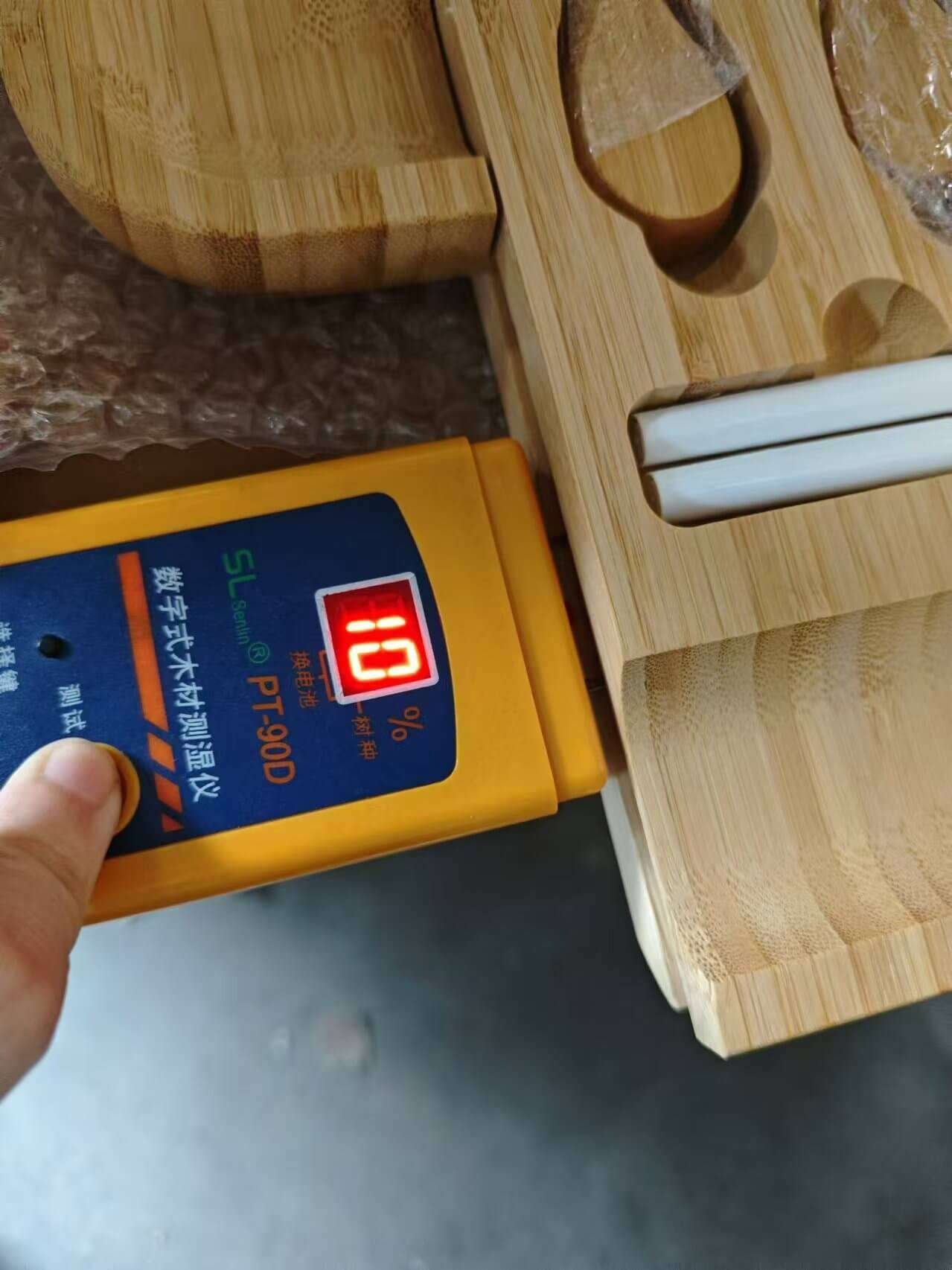
- High-quality bamboo has a tensile strength comparable to steel and is often more resistant to warping or swelling compared to hardwood.
- Can withstand loads up to 1500 psi, making it ideal for flooring and furniture.
- Cost-Effectiveness:
- Bamboo products are generally 20-30% cheaper than hardwood.
- Applications:
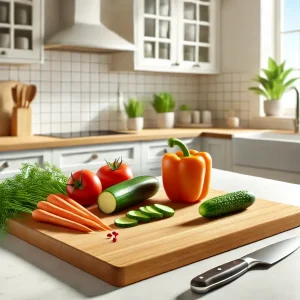
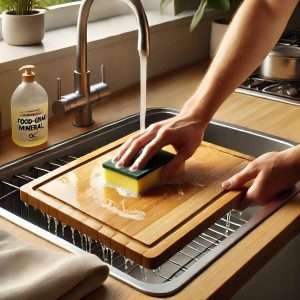
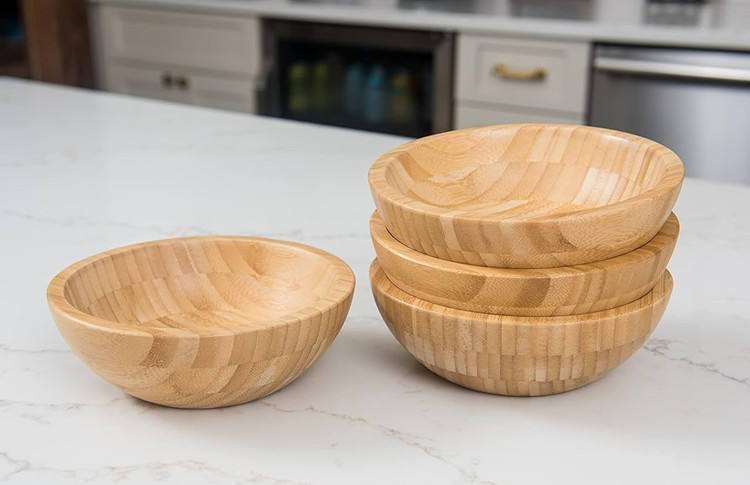
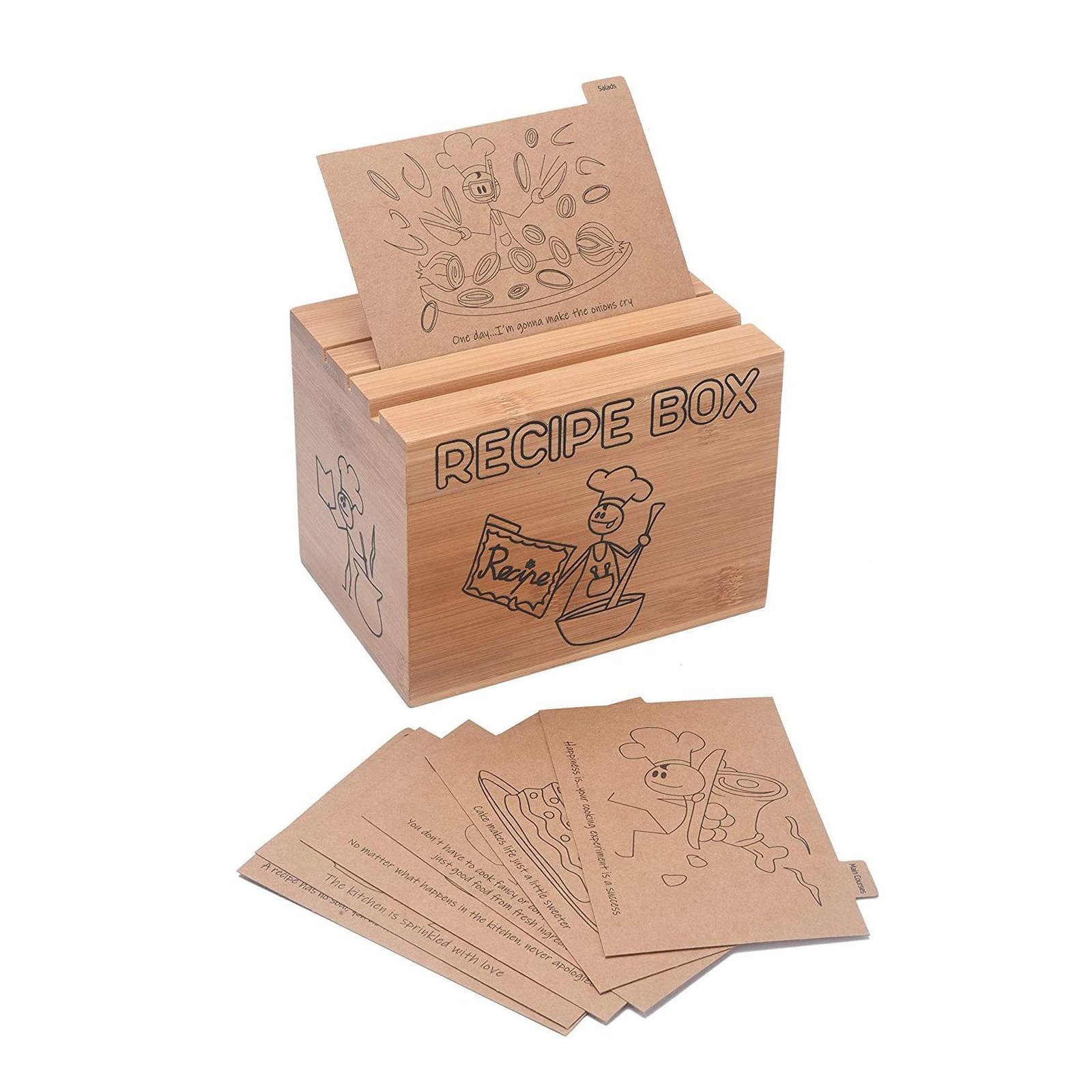
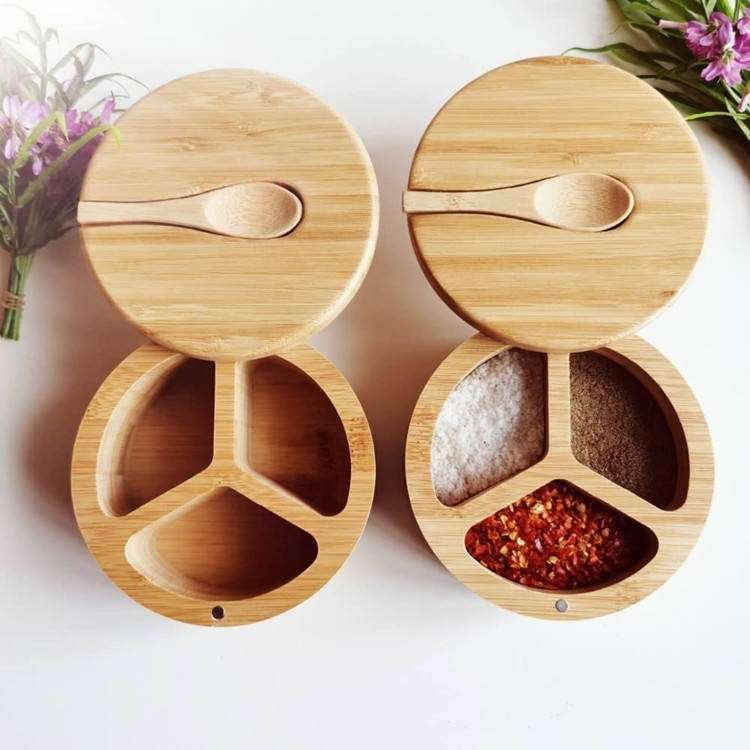
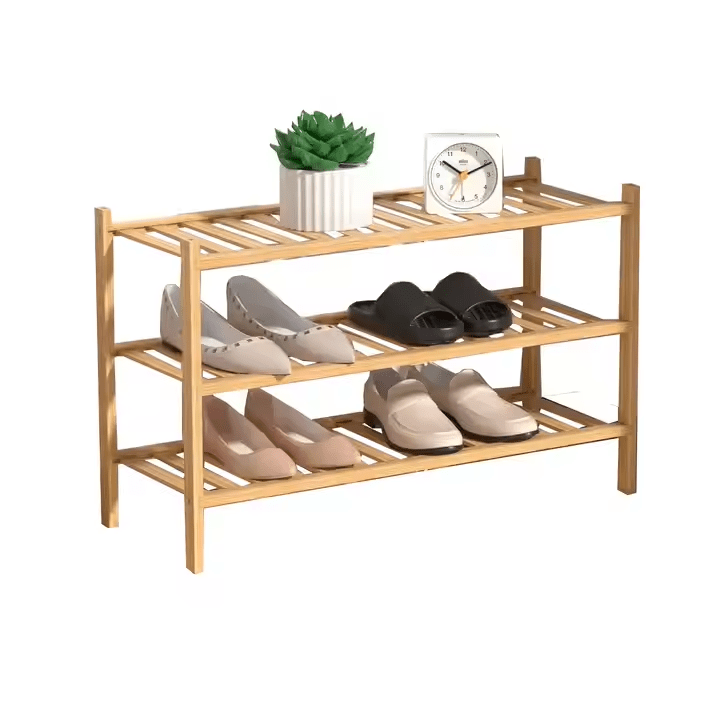
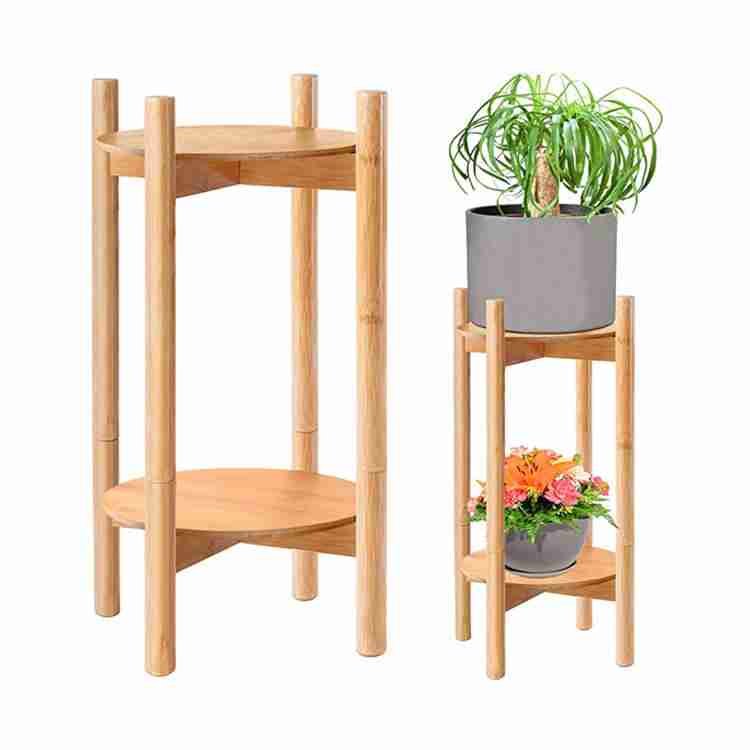
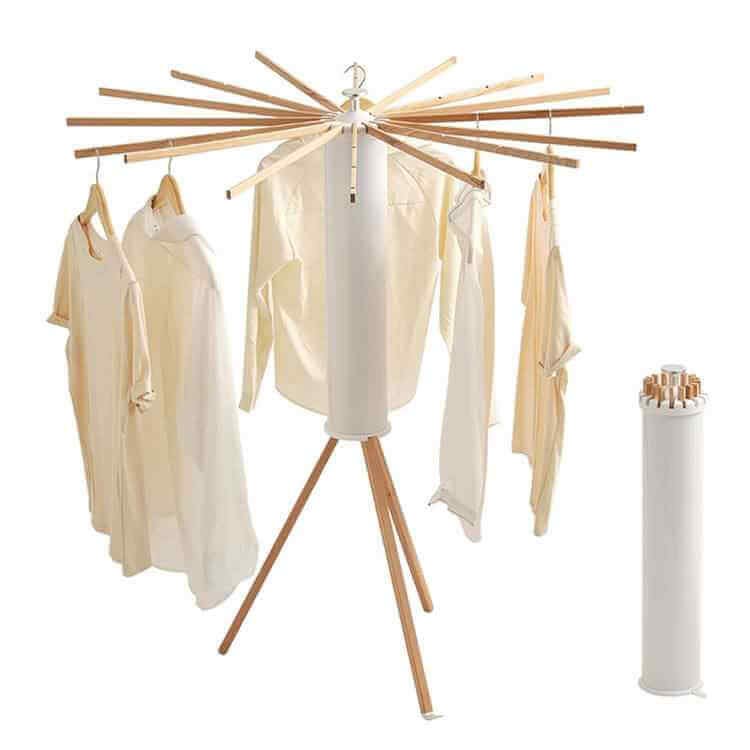
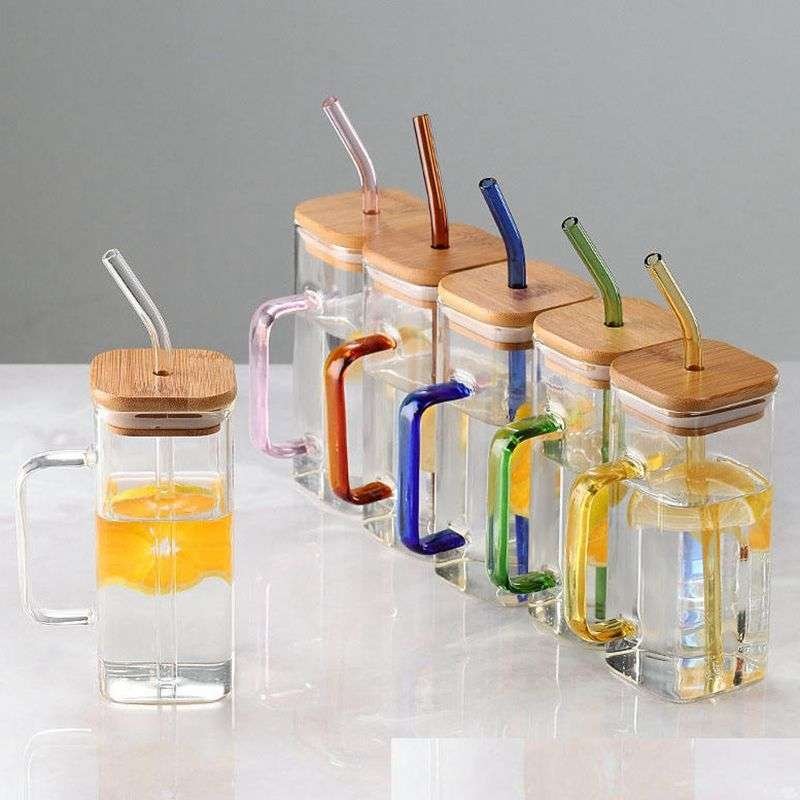
- Flooring, furniture, decorative panels, and kitchenware.
Environmental Impact
- Bamboo absorbs 35% more carbon dioxide and produces 30% more oxygen than trees.
- By choosing bamboo, you support global efforts like the UN’s Sustainable Development Goals (SDG 12) for responsible production and consumption.
Hardwood: The Timeless Classic
Hardwood, sourced from trees like oak, maple, and walnut, is valued for its durability and aesthetic appeal.
Key Features
- Durability:
- Hardwood can last for 50-100 years with proper care.
- Ideal for high-traffic areas, as it resists scratches and dents better than bamboo.
- Aesthetic Variety:
- Each type of hardwood offers unique grains and tones, from rich mahogany to light maple.
- Can be refinished multiple times to extend its lifespan.
- Cost:
- Hardwood flooring typically costs $5-$15 per square foot, making it a premium option.
Environmental Impact
- Requires 20-50 years to mature, leading to deforestation concerns if not sourced sustainably.
- Look for certifications like FSC (Forest Stewardship Council) when purchasing.
Engineered Wood: The Budget-Friendly Hybrid
Engineered wood combines a real wood veneer with a plywood or composite core. This hybrid approach balances cost, performance, and sustainability.
Key Features
- Affordability:
- Engineered wood is typically 25-50% cheaper than hardwood.
- Suitable for budget-conscious projects without compromising on appearance.
- Stability:
- Its layered construction resists warping, making it ideal for areas with fluctuating humidity, such as basements.
- Ease of Installation:
- Often available in click-lock designs for DIY installation.
- Lifespan:
- While durable, it can only be refinished once or twice, lasting around 20-30 years.
Environmental Impact
- Utilizes fewer natural resources per plank compared to solid hardwood.
- Adhesives used in production may release VOCs (volatile organic compounds), so choose products with low-emission certifications.
Head-to-Head Comparison
| Feature | Bamboo | Hardwood | Engineered Wood |
|---|---|---|---|
| Durability | High | Very High | Moderate |
| Lifespan | 20-50 Years | 50-100 Years | 20-30 Years |
| Cost | $ | $$$ | $ |
| Sustainability | Excellent (Renewable) | Variable (Depends on FSC) | Moderate |
| Installation | Easy (Pre-finished) | Moderate (Professional) | Easy (DIY Options) |
| Maintenance | Low | High | Moderate |
Conclusion: Choosing the Right Material
- Bamboo: Best for eco-conscious buyers who prioritize sustainability and affordability. Ideal for low to moderate traffic areas and modern interiors.
- Hardwood: Perfect for those seeking timeless aesthetics and exceptional durability for high-traffic or luxury spaces.
- Engineered Wood: A budget-friendly, versatile option for areas with humidity concerns or DIY enthusiasts.
At our bamboo factory, we specialize in manufacturing high-quality bamboo products for wholesale and retail markets. With a focus on sustainability and craftsmanship, we aim to deliver materials that meet the needs of modern consumers while supporting global environmental efforts. Whether you’re a wholesaler, supplier, or manufacturer, partnering with us ensures quality and reliability in every product.